How to Brush Your Teeth Properly (In 6 Simple Steps)
SmartSmile Team
Quick answer: use a soft-bristled brush and fluoride toothpaste. Hold the brush at a 45° angle to the gums, move it gently in short, tooth-wide strokes, and clean the outer, inner and chewing surfaces of every tooth for two minutes. Finish with your tongue.
The 6 steps
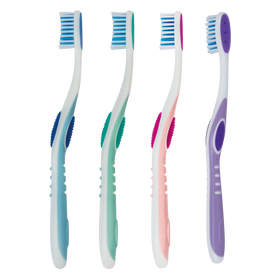
- Pick a soft brush with a head that fits your mouth comfortably. The ADA recommends soft bristles because they minimize the risk of gum abrasion.
- Angle it at 45° to the gums.
- Use gentle, short strokes, about one tooth wide. There's no need to scrub.
- Cover every surface: outer, inner and chewing surfaces.
- For the inside of the front teeth, tilt the brush vertically and make several up-and-down strokes.
- Brush your tongue to help remove bacteria and keep breath fresh. Two SmartSmile brushes, the Classic and the Adult Toothbrush with Tongue Cleaner, have a tongue cleaner on the back of the head.
Want a guide while you brush? The SmartSmile trainer walks you through each quarter of your mouth in real time.
Mistakes to avoid
- Brushing too hard: firm pressure isn't more effective and can irritate gums.
- Rushing: two minutes is longer than it feels. A timer helps.
- Using a worn-out brush: replace it every 3–4 months, or sooner if the bristles are frayed.
- Forgetting between the teeth: clean between your teeth once a day.
FAQ
Soft or medium bristles?
The ADA recommends soft bristles. Every SmartSmile toothbrush has soft bristles, and most models also have rounded, contour-trimmed bristles. See each product page for details.
Manual or electric?
According to the ADA, both manual and powered toothbrushes are effective at removing plaque.
Sources
- American Dental Association, MouthHealthy: Brushing Your Teeth
- American Dental Association: Toothbrushes
- American Dental Association: Home Oral Care